Apple Inc
AAPLToday
+1.78%
5 Days
+4.09%
1 Month
+16.62%
6 Months
+14.34%
Year to Date
+14.18%
1 Year
+53.60%
TradingKey Stock Score of Apple Inc
Currency: USD Updated: 2026-05-21Key Insights
Apple Inc's fundamentals are relatively healthy, with an industry-leading ESG disclosure.and its growth potential is high.Its valuation is considered fairly valued, ranking 12 out of 33 in the Computers, Phones & Household Electronics industry.Institutional ownership is very high.Over the past month, multiple analysts have rated it as Buy, with the highest price target at 308.44.In the medium term, the stock price is expected to trend up.The company has been performing well in the stock market over the past month, which is supported by its strong fundamentals and technicals.The stock price is trading sideways between the support and resistance levels, making it suitable for range-bound swing trading.
Apple Inc's Score
Support & Resistance

Score Analysis
Media Coverage

Apple Inc Highlights
Apple Inc., an American multinational technology conglomerate headquartered in Cupertino, California (within Silicon Valley), is globally recognized for its expertise in consumer electronics, software development, and service provision. Founded in 1976 as Apple Computer Company by Steve Jobs, Steve Wozniak, and Ronald Wayne, the firm was incorporated as Apple Computer, Inc. a year later by Jobs and Wozniak. The company adopted its current name, Apple Inc., in 2007 to reflect its shift from computers to consumer electronics. As the largest tech company by revenue, Apple generated US$391.04 billion in fiscal 2024.
Launched to produce and market Wozniak’s Apple I personal computer, the company’s second model, the Apple II, emerged as a best-selling pioneer among mass-produced microcomputers. Apple introduced the Lisa in 1983 and the Macintosh in 1984, among the first computers featuring a graphical user interface and mouse. By 1985, internal challenges prompted Jobs to found NeXT and Wozniak to pursue other ventures, with John Sculley serving as CEO for over a decade. In the 1990s, Apple lost significant PC market share to the lower-priced Wintel duopoly (Microsoft Windows on Intel-powered clones). On the brink of bankruptcy in 1997, Apple acquired NeXT, reinstating Jobs, who revitalized the company over the next decade with the iMac, iPod, iPhone, iPad, iTunes Store, “Think Different” campaign, and Apple Store retail chain. These moves solidified Apple as one of the world’s most valuable brands by 2010. Jobs resigned in 2011 due to health issues and died two months later, succeeded by Tim Cook as CEO.
Apple’s product ecosystem includes portable and home hardware (iPhone, iPad, Apple Watch, Mac, Apple TV), operating systems (iOS, iPadOS, macOS), and services (Apple Pay, iCloud, Apple Music, Apple TV+). As a Big Five U.S. tech giant, Apple has been the world’s most valuable company by market cap since 2011, holding the title of largest manufacturing firm by revenue (2023), fourth-largest PC vendor by units, top tablet and smartphone seller globally. It became the first U.S. public company to hit $1 trillion in 2018, valued at over $3.74 trillion as of December 2024, trading as “AAPL” on Nasdaq.
Criticisms of Apple include labor practices at supplier factories, relations with trade unions, environmental impact, and business ethics (anti-competitive behavior, materials sourcing). Despite these, the company commands a massive fanbase and exceptional brand loyalty.
Analyst Rating
Apple Inc News
Today’s Market Recap: US Inflation Hits 3-Year Peak as Market Braces for Trump’s China Visit and Fed Leadership Shift
April inflation hit a three-year peak of 3.8%, pressuring the Nasdaq and tech stocks. Markets are further braced by Kevin Warsh’s Fed Chair confirmation, the maintenance of Trump’s 10% global tariffs, and a high-profile U.S. business delegation preparing for a strategic state visit to China.

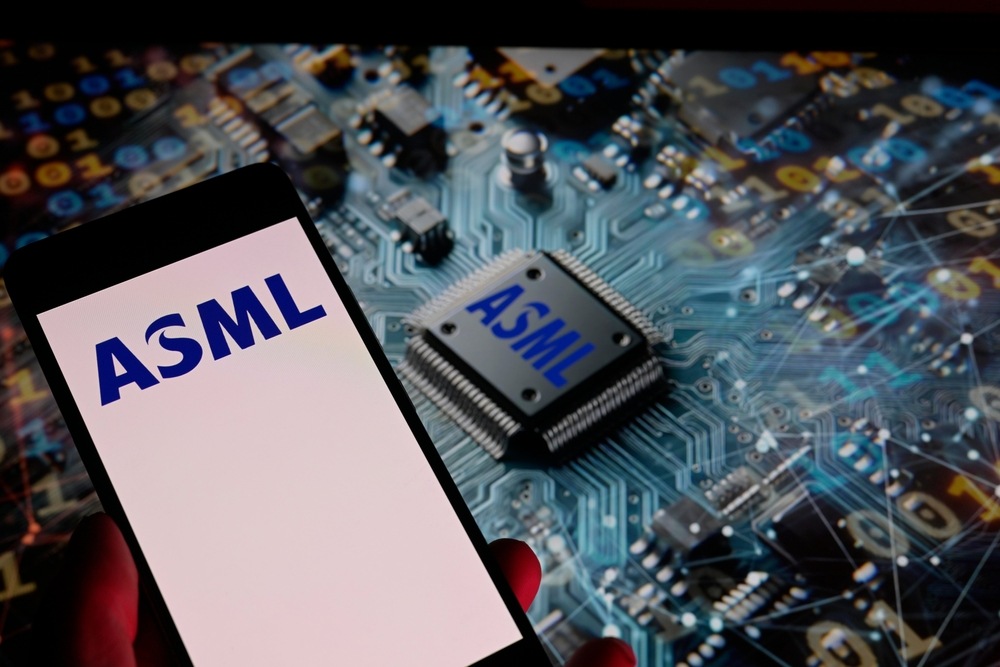
Intel-Apple Partnership Could Net ASML €4.6B in Orders: Is ASML the Ultimate Winner of the Chip Fever?
TradingKey - Earlier this month, Apple and Intel reached a preliminary agreement for Intel to provide foundry services for certain chips used in Apple devices. Bank of America noted in a recent analysis that this partnership could be worth up to $10 billion, with the primary beneficiaries likely bei
Trump Administration Brokers. Intel and Apple Reach Chipmaking Agreement, Shares Surge More Than 13%
TradingKey — Intel (INTC) shares surged on Friday following reports of a preliminary cooperation agreement with Apple (AAPL). The stock’s intraday gain briefly exceeded 13% before closing up 13.96%, with its market capitalization jumping to $627.8 billion.
Chip Price Hikes Unstoppable. Apple Doubles MacBook Neo Production to 10 Million.
TradingKey - According to the latest research report from semiconductor industry analysis platform Culpium, Apple has requested suppliers to significantly raise the production target for the 2026 MacBook Neo from the initial 5-6 million units to 10 million units, aiming to alleviate current severe supply shortages.
Following TSMC, Samsung Market Value Joins Trillion-Dollar Club as Memory Chips Support Half the Business
TradingKey - Driven by the explosive demand for AI chips, global memory chip leader Samsung Electronics reached a significant milestone. On May 6, the company’s share price surged by more than 16% intraday to a high of 270,000 KRW, ultimately closing up 14.41%. Its market capitalization surpassed 1,700 trillion KRW (approximately $1.15 trillion), officially joining the "trillion-dollar club." Samsung is now the second Asian technology company to achieve this feat, following TSMC.
Apple Smashed Q2 2026 Estimates with a Record Quarter — Is AAPL a Buy at $277?
Intel Corporation (NASDAQ: INTC) closed the day at $94.75, notching a second consecutive +12.10% day, and is now up a total +40.43% over the past five days. The key difference between Wednesday's action and the post-earnings party over the past week is this: Intel's volume on Wednesday was 227.3 mil
Financial Indicators
EPS
Total revenue
Apple Inc Info
Apple Inc., an American multinational technology conglomerate headquartered in Cupertino, California (within Silicon Valley), is globally recognized for its expertise in consumer electronics, software development, and service provision. Founded in 1976 as Apple Computer Company by Steve Jobs, Steve Wozniak, and Ronald Wayne, the firm was incorporated as Apple Computer, Inc. a year later by Jobs and Wozniak. The company adopted its current name, Apple Inc., in 2007 to reflect its shift from computers to consumer electronics. As the largest tech company by revenue, Apple generated US$391.04 billion in fiscal 2024.
Launched to produce and market Wozniak’s Apple I personal computer, the company’s second model, the Apple II, emerged as a best-selling pioneer among mass-produced microcomputers. Apple introduced the Lisa in 1983 and the Macintosh in 1984, among the first computers featuring a graphical user interface and mouse. By 1985, internal challenges prompted Jobs to found NeXT and Wozniak to pursue other ventures, with John Sculley serving as CEO for over a decade. In the 1990s, Apple lost significant PC market share to the lower-priced Wintel duopoly (Microsoft Windows on Intel-powered clones). On the brink of bankruptcy in 1997, Apple acquired NeXT, reinstating Jobs, who revitalized the company over the next decade with the iMac, iPod, iPhone, iPad, iTunes Store, “Think Different” campaign, and Apple Store retail chain. These moves solidified Apple as one of the world’s most valuable brands by 2010. Jobs resigned in 2011 due to health issues and died two months later, succeeded by Tim Cook as CEO.
Apple’s product ecosystem includes portable and home hardware (iPhone, iPad, Apple Watch, Mac, Apple TV), operating systems (iOS, iPadOS, macOS), and services (Apple Pay, iCloud, Apple Music, Apple TV+). As a Big Five U.S. tech giant, Apple has been the world’s most valuable company by market cap since 2011, holding the title of largest manufacturing firm by revenue (2023), fourth-largest PC vendor by units, top tablet and smartphone seller globally. It became the first U.S. public company to hit $1 trillion in 2018, valued at over $3.74 trillion as of December 2024, trading as “AAPL” on Nasdaq.
Criticisms of Apple include labor practices at supplier factories, relations with trade unions, environmental impact, and business ethics (anti-competitive behavior, materials sourcing). Despite these, the company commands a massive fanbase and exceptional brand loyalty.
Related Instruments















Popular Instruments