


 Discount


Nvidia Rally Drives Japan and South Korea Stock Rebound, Kospi Closes Up 6% to Reclaim 5,000, Nikkei 225 Rises Nearly 4%, Kioxia Surges Nearly 10%



AI Podcast


On November 24, Japanese and South Korean stocks surged, driven by a powerful rally in tech shares. The KOSPI jumped 6.32% to reclaim 5,006.04 points, while the Nikkei 225 rose 3.91% to 58,644.63 points. Major chipmakers like Samsung Electronics, SK Hynix, SoftBank Group, and Kioxia posted significant gains. This regional rebound was catalyzed by an overnight surge in the U.S. AI supply chain and Nvidia’s strong performance following leadership updates. South Korea's heavy reliance on semiconductors amplified this global AI trade recovery, as eased uncertainty over chip demand and AI investments restored market confidence.
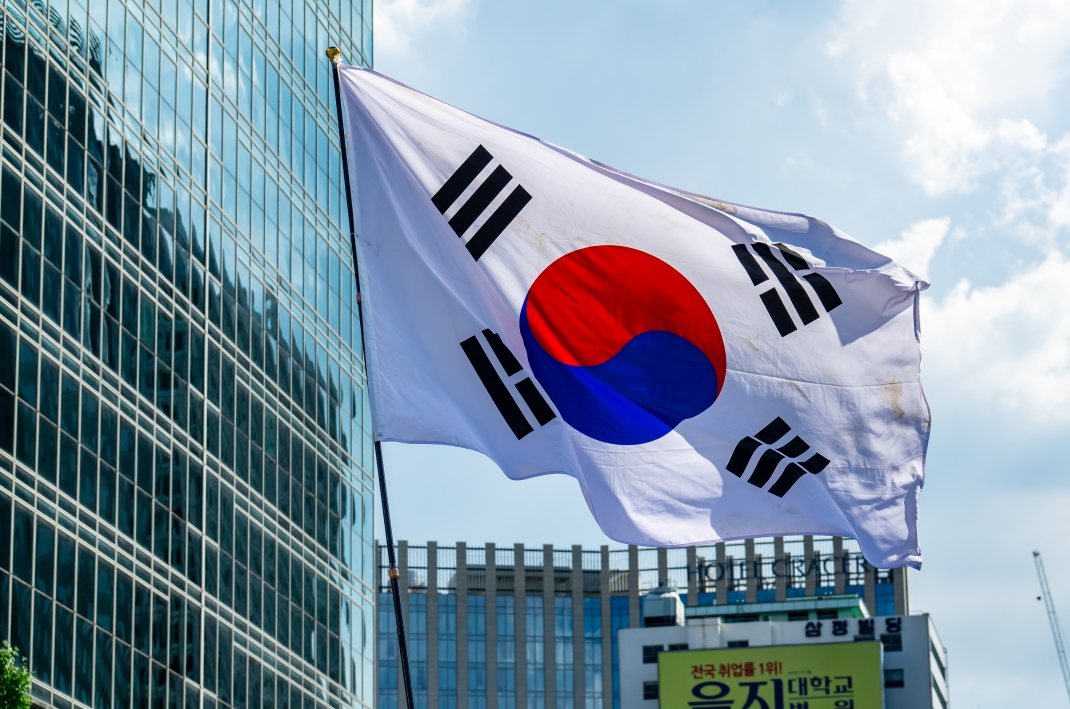
TradingKey - On November 24, Japanese and South Korean stocks both closed sharply higher, led by tech shares. The Korea Composite Stock Price Index (KOSPI) closed up 6.32% at 5,006.04 points, reclaiming the 5,000-point mark; Japan's Nikkei 225 index closed up 3.91% at 58,644.63 points, briefly topping 59,000 points intraday.
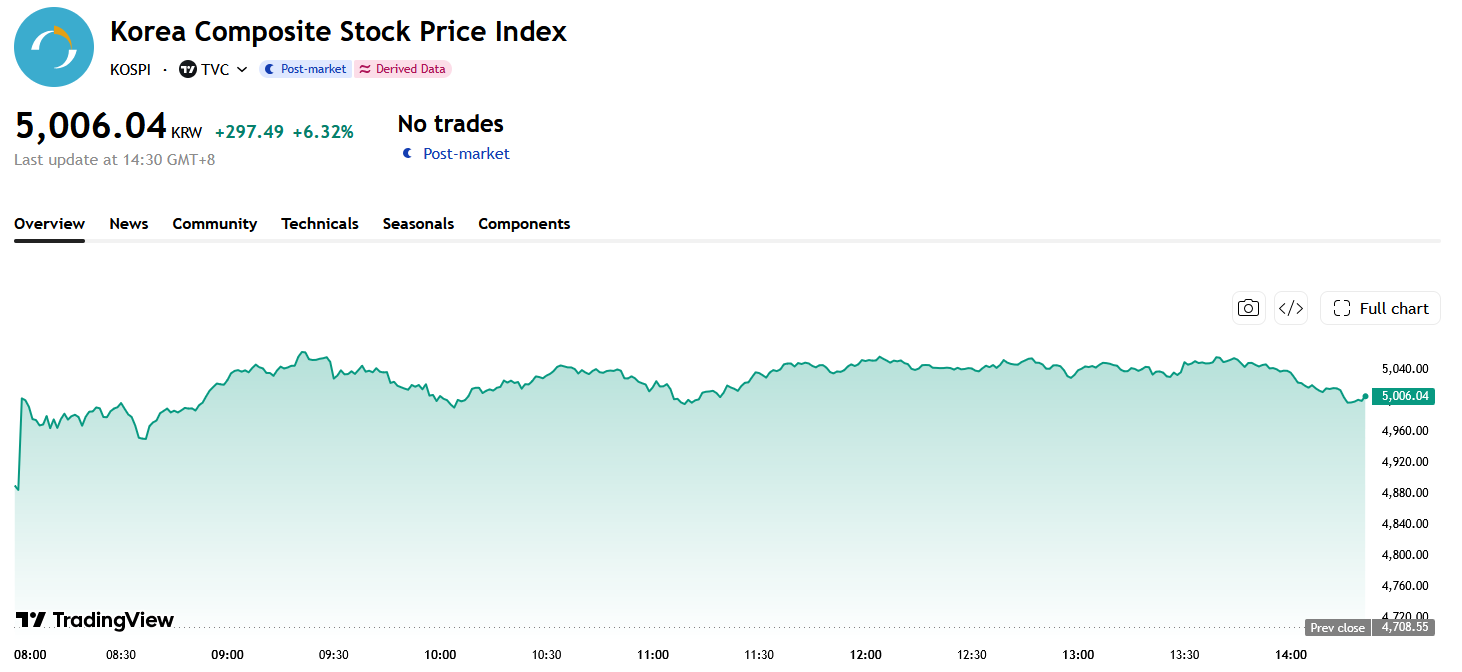
Source: TradingView
In the South Korean market, Samsung Electronics closed up 6.70% at 189,400 won (approx. $141); SK Hynix closed up 6.73% at 1.158 million won. In the Japanese market, SoftBank Group rose 4.66% to 3,166 yen (approx. $20); Kioxia surged 9.95% to 8,034 yen.
The rally was boosted by an overnight surge across the U.S. AI supply chain, with Jensen Huang returning to his post as CEO of Nvidia (NVDA), driving the company's stock up 31.48%. The three major U.S. stock indexes moved higher as well, while the Philadelphia Semiconductor Index surged 14.03%, driving a recovery in buying for Asian chip stocks.
The South Korean stock market's heavy reliance on the semiconductor industry also amplified the impact of the rebound in the global AI trade. Samsung Electronics and SK Hynix hold significant weightings in the KOSPI and are deeply integrated into the global AI memory supply chain. The easing of uncertainty over Nvidia's leadership improved market expectations for AI investments and chip demand, which fed through to the broader market via South Korea's semiconductor leaders.
This content was translated using AI and reviewed for clarity. It is for informational purposes only.
Recommended Articles




Comments (1)
Click the $ button, enter the symbol, and select to link a stock, ETF, or other ticker.